

For property investors based in Canberra and the NSW South Coast, the biggest mistake right now may be assuming that every Australian housing market is moving through the same cycle.
It is not.
Economic uncertainty, political debate and changing interest-rate expectations are influencing buyer confidence, but those forces are not affecting every city and region equally. Sydney and Melbourne are showing softer conditions, while many regional markets and mid-sized capitals continue to record stronger growth.
That divergence is creating a more selective investment environment.
Instead of relying on broad national headlines, investors need to examine the fundamentals of each individual market, including affordability, housing supply, local demand and economic stability.
Australia Does Not Have One Property Market
The wider economic environment remains uncertain.
The Labor Party has faced scrutiny over its budget announcements, while unemployment rose from 4.3% to 4.5%. That increase may reduce pressure on the Reserve Bank of Australia to raise interest rates again in the short term.
Equity and oil markets have also continued to react sharply to news about international conflict and the possibility of peace agreements.
Property, however, generally moves more slowly than financial markets.
Housing performance is shaped by longer-term factors such as population growth, construction activity, borrowing capacity and the availability of homes. As a result, the broader trends influencing Australian property have remained largely intact despite short-term political and economic volatility.
The central point for investors is clear: Australia is not moving through a single property cycle.
Major Housing Markets Are Continuing to Diverge
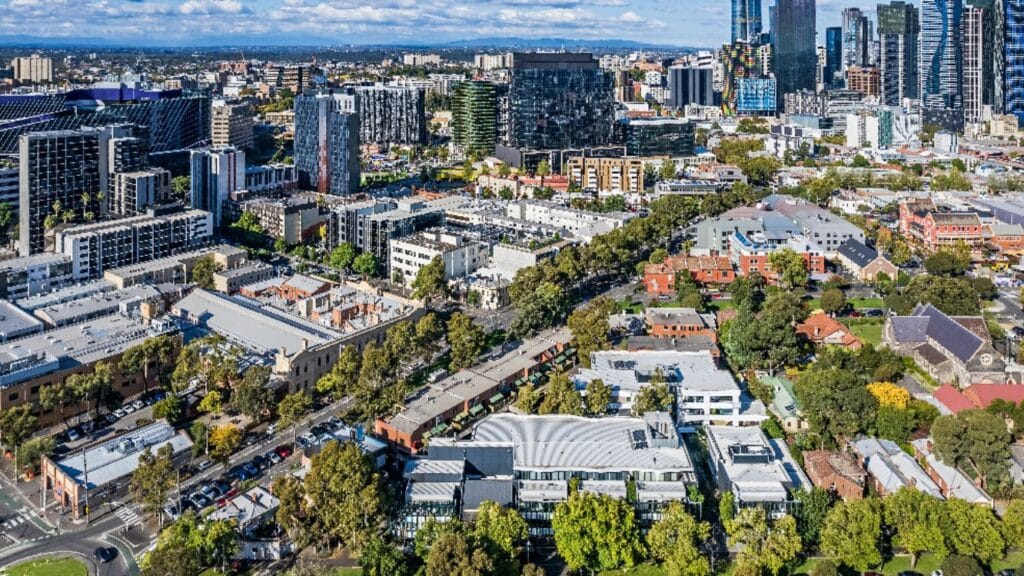
At the time of writing, Sydney and Melbourne remain among the softest major housing markets.
Both cities have experienced modest price declines and lower levels of activity. High property prices, affordability constraints and limits on borrowing capacity are placing greater pressure on buyer demand.
These conditions do not necessarily mean every suburb in Sydney or Melbourne will perform poorly. However, they show why investors can no longer assume that major capital cities will automatically deliver the strongest returns.
At the same time, many regional markets and some mid-sized capitals continue to outperform.
The latest Cotality quarterly housing data showed that regional markets increased by 3.3% over the quarter, compared with 1.1% across the combined capital cities.https://www.cotality.com/au/
Affordability and lifestyle migration have been major contributors to that difference.
For investors living in Canberra or the NSW South Coast, this does not mean they should automatically purchase locally or invest in the nearest regional market. It means their search should be based on the strength of the underlying market rather than familiarity or convenience.
Strong Growth Is Beginning to Normalise
Some of Australia's smaller capital cities, including Brisbane and Perth, have recorded exceptionally strong growth.
Markets rising by 15% to 20% or more each year were never likely to maintain that pace indefinitely. Early signs of moderation are therefore not unexpected.
Slowing growth should also be distinguished from widespread market weakness.
A market that moves from annual growth above 15% to a rate closer to 8% or 10% may still be performing strongly compared with long-term averages. In that context, the change is better understood as normalisation rather than a collapse in demand.
Investors should be careful not to chase markets based only on their recent headline growth figures. Past performance may indicate strong demand, but it can also mean that affordability has deteriorated or that much of the short-term growth has already occurred.
The more important question is whether the market still has the supply, demand and economic fundamentals required to support future performance.
Property Investment Is Becoming More Selective
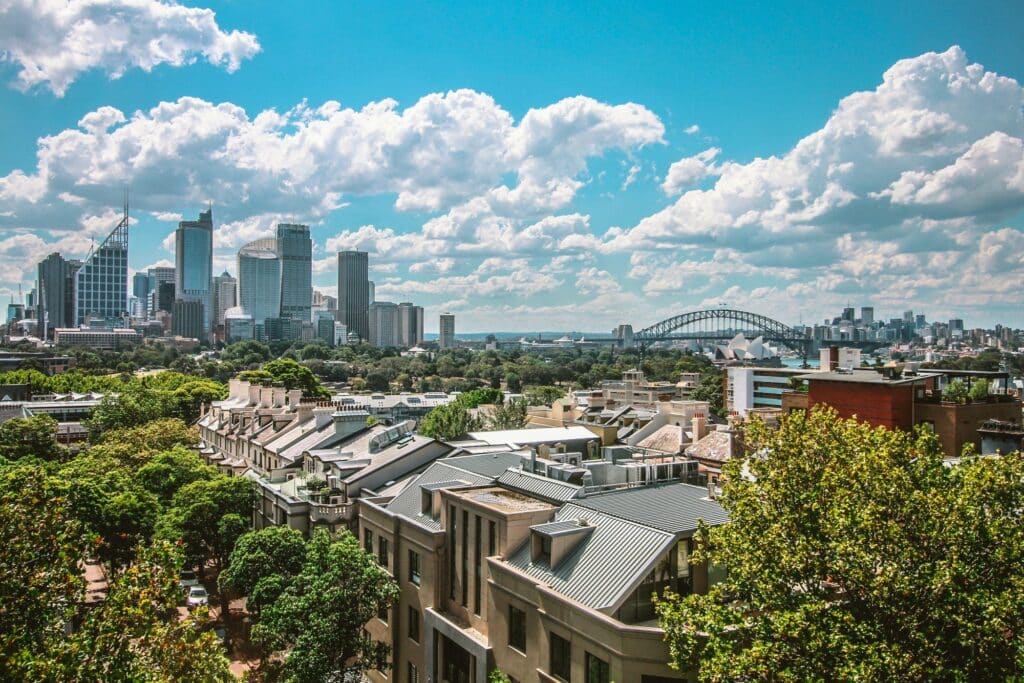
Broad-based growth across almost every location is fading.
Future performance is likely to depend much more heavily on four factors:
Specific location
Property performance can vary significantly between cities, regions and even neighbouring suburbs. Investors need to assess the local market rather than rely on state or national averages.
Price point
Affordable markets may have a broader pool of buyers and tenants. By comparison, higher-priced markets can be more sensitive to borrowing-capacity limits and changes in interest rates.
Housing supply
Markets with a limited pipeline of new housing may be better supported when demand remains stable. Areas with significant new construction can face greater competition between vendors and landlords.
Local economic fundamentals
Employment diversity, population movement and stable demand drivers all influence the resilience of a property market.
The strongest opportunities are generally found in affordable locations with tight supply and reliable demand rather than in markets attracting attention solely because of recent price growth.
Housing Supply May Place a Floor Under Prices
Economic risks have not disappeared.
Consumer confidence remains mixed, global instability continues to affect financial markets, and the rise in unemployment may point to a broader economic slowdown.
However, higher unemployment may also reduce the likelihood of further interest-rate increases in the near term.
The housing supply shortage remains one of the most important factors for investors to monitor over the next 12–18 months.
Property analyst Michael Matusik has observed that sales volumes tend to fall before prices soften, but that new housing supply can then collapse, helping set up a return to price growth when conditions stabilise. “Sales volumes fall first, prices soften next, but new supply collapses… setting up a return to price growth once conditions stabilise.” – Michael Matusik
This dynamic matters because Australia is already undersupplied.
Current housing delivery is approximately 21% below the annual Housing Accord target. In other words, Australia is not building enough homes to meet the supply objectives established by the government.
High construction costs can make that shortage harder to resolve. When fewer homes are completed while demand continues, the lack of supply can help support established property prices.
It can also place additional pressure on rental markets.
What the Supply Shortage Means for Rents

When available housing fails to keep pace with demand, renters face greater competition.
At the same time, landlords are dealing with higher financing, construction and property-holding costs. In undersupplied markets, some of those pressures may flow through to higher rents.
This does not mean every investment property will experience automatic rental growth. Vacancy rates, tenant demand, property condition and local affordability still matter.
It does mean that investors should consider rental-market conditions alongside potential capital growth.
A market with low supply, sustainable tenant demand and an affordable entry price may offer stronger long-term prospects than a market selected only because prices recently increased.
What Investors Should Do Next
The current market rewards research and patience.
Investors should avoid treating Australia as one uniform housing market and instead compare individual locations according to their supply pipeline, affordability, economic conditions and demand drivers.
For investors based in Canberra and the NSW South Coast, the best opportunity may be local, elsewhere in regional Australia or in one of the smaller capitals. The right decision depends on the evidence, not the investor's postcode.
Rather than following general headlines, focus on identifying markets where:
- New housing supply is limited.
- Purchase prices remain accessible.
- Rental demand is stable.
- Local economic fundamentals are reliable.
- Growth is supported by more than short-term speculation.
Get the FREE Top 10 Performing Markets Report
Want to know which Australian property markets are currently showing the strongest performance?
Contact iStrategic for a FREE report detailing the top 10 performing markets in Australia at the moment.https://istrategic.com.
The report can help investors compare opportunities across the country and look beyond the markets they already know.
About the Author
Aiden Haworth is the founder ofiStrategic, a property investment business focused on helping investors identify high-quality opportunities across Australia through data-driven market analysis and strategic insight.
Learn more about Aiden and iStrategic on theAbout Us page.https://istrategic.com.
Financial Disclaimer
This content is for informational purposes only and does not constitute financial, legal or taxation advice. Investors should obtain independent professional advice before making property or financial decisions.
FREQUENTLY ASKED QUESTIONS
1. Is the Australian property market rising or falling?
Australia is experiencing a divided market. At the time of writing, Sydney and Melbourne have shown softer conditions, while many regional markets and mid-sized capitals continue to record stronger growth.
2. Why are regional property markets outperforming some capital cities?
Regional markets are benefiting from greater affordability, lifestyle migration and, in some locations, limited housing supply. Cotality data showed regional markets outperforming the combined capitals over the quarter. https://www.cotality.com/au/resources/downloads/regional- market-update
3. Does slowing price growth mean the property market is falling?
Not necessarily. Markets that previously recorded unusually high growth may simply be returning to a more sustainable rate. This can represent normalisation rather than widespread weakness.
4. How does Australia's housing shortage affect property investors?
A shortage of new housing can support established property prices and increase rental competition where demand remains strong. Australia is currently delivering housing below the annual Housing Accord target. https://nhsac.gov.au/reports-
5. What should investors look for when choosing a property market?
Investors should examine the specific location, purchase price, housing supply, rental demand and local economic fundamentals rather than relying only on national trends or recent growth figures.