
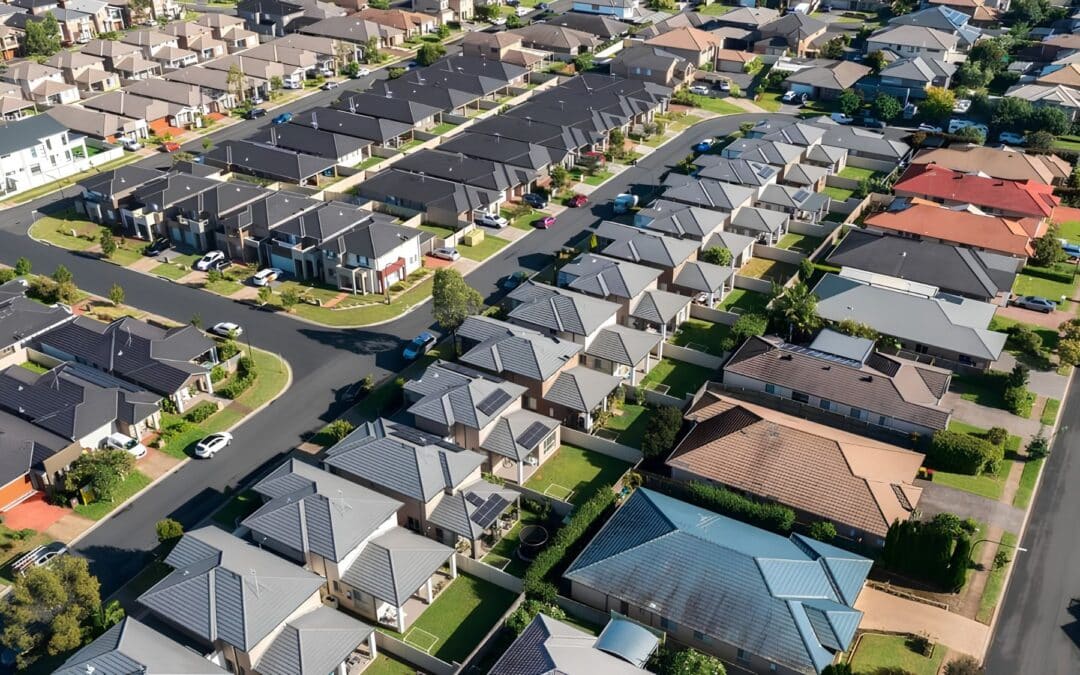
Australia’s property market is no longer moving in one direction.
While headlines continue focusing on interest rates, political uncertainty and slowing economic conditions, the reality on the ground is far more nuanced. Some property markets are cooling, others are still growing strongly, and investors who rely on broad national narratives risk missing the real opportunities emerging beneath the surface.
For investors, this is becoming a market that rewards strategy, location selection and an understanding of supply dynamics more than ever before.
The key takeaway? Australia is not experiencing a single property cycle right now.
Why Australia’s Property Market Is Becoming Increasingly Divided

Over the past 12 months, the gap between stronger and weaker markets has widened significantly.
Sydney and Melbourne, traditionally Australia’s strongest property performers, have softened as affordability pressures, borrowing capacity constraints and elevated price points weigh on buyer demand. April Cotality data shows Sydney is down -0.9% for the quarter, and Melbourne -1.5%.
At the same time, many regional markets and mid-sized capital cities continue outperforming.
According to Cotality’s quarterly Regional Market Update released in May, regional property markets increased by 3.3% over the quarter, compared to just 1.1% across the combined capital cities.
This divergence highlights a major shift in buyer behaviour.
Affordability Is Driving Demand
As property prices remain elevated in major metropolitan areas, many Australians are looking toward more affordable markets that still offer strong lifestyle appeal, employment opportunities and infrastructure investment.
Regional centres and smaller capitals are benefiting from:
- Lower entry prices
- Higher rental yields
- Population migration trends
- Limited housing supply
- Flexible work arrangements
Markets that once sat outside the spotlight are now attracting both owner-occupiers and investors searching for value and long-term growth potential.
Personally, I have seen select regional markets perform strongly for my clients, particularly for those purchasing in a lower price point. For under $850,000 we have been able to purchase and/or build a dual-income property which achieves ~6% rental yields, and strong capital growth in the 8-13% range.
Growth Is Slowing — But That Doesn’t Mean the Market Is Weak
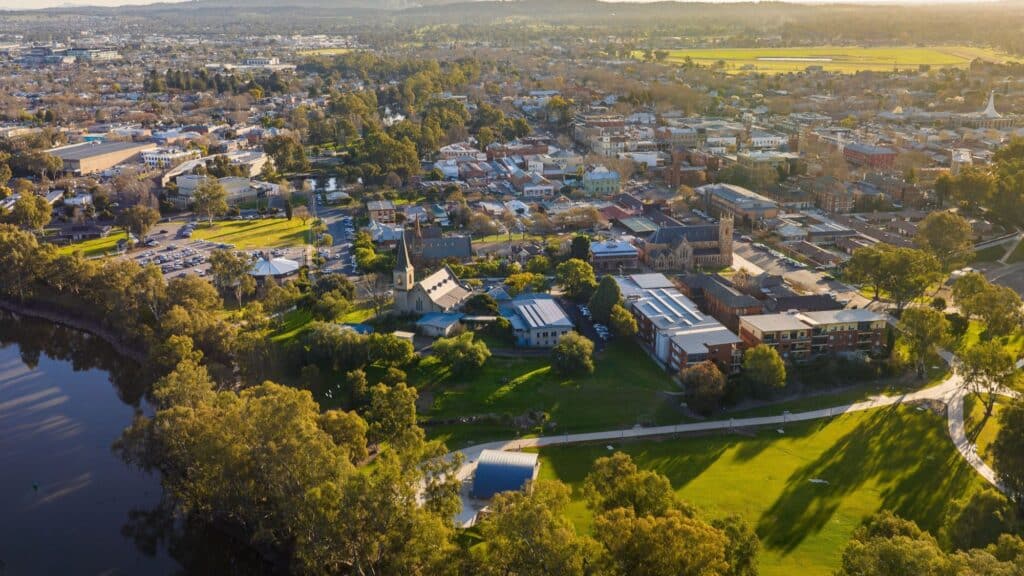
Some of the country’s strongest-performing markets, particularly Brisbane and Perth, are beginning to show signs of moderation after several years of rapid price growth.
That’s not necessarily a negative development.
Markets that experienced annual growth rates of 15–20% were unlikely to maintain that pace indefinitely. A slowdown toward more sustainable growth levels of 8–10% still places these markets above long-term averages.
For investors, this distinction matters.
There’s a significant difference between:
- A market entering decline due to weak fundamentals
- A market normalising after a period of exceptional growth
Right now, much of Australia appears to be experiencing the latter. And I am setting more modest growth expectations with my clients for the coming 5 years.
Supply Constraints Are Becoming the Biggest Story
One of the most important themes shaping the Australian property market over the next 12 to 18 months is housing supply.
Despite government targets and ongoing policy discussion, Australia remains significantly undersupplied when it comes to housing stock.
Current figures from the ABS Building Activity Data show the country is sitting approximately 21% below the annual Housing Accord target of 60,000 dwellings per quarter, meaning new housing delivery is still falling well short of required levels. https://www.abs.gov.au/statistics/industry/building-and-construction/building-activity-australia/latest-release
At the same time:
- Construction costs remain elevated
- Builder insolvencies continue impacting delivery pipelines
- Rental demand remains extremely strong
- Population growth continues increasing housing pressure
This combination creates an environment where even softer market conditions may struggle to produce major price declines.
As property analyst Michael Matusik recently noted:
“Sales volumes fall first, prices soften next, but new supply collapses… setting up a return to price growth once conditions stabilise.”
That dynamic is particularly important for investors focused on long-term wealth creation.
Why Rental Markets May Tighten Further

Housing undersupply doesn’t just impact prices — it directly affects rental markets as well.
As new housing construction slows and investor holding costs rise, rental availability can tighten rapidly. In many Australian markets, vacancy rates remain near historic lows, placing additional upward pressure on rents. For example, the national vacancy rate sits at 1.3% at the moment, according to PropTrack data. However, my clients are transacting in some markets where vacancy rates are as low as 0.8%.
For investors holding quality assets in high-demand locations, this can create:
- Stronger rental income
- Improved cash flow
- Increased tenant competition
- Long-term capital growth support
What Investors Should Focus On Now
The era of broad-based growth across almost every Australian market appears to be fading.
Today’s market requires a far more selective investment approach.
The strongest opportunities are increasingly found in locations with:
- Tight housing supply
- Diverse local economies
- Sustainable population growth
- Infrastructure investment
- Affordable price points relative to incomes
Investors should also pay close attention to local market fundamentals rather than relying solely on national headlines.
For example, two suburbs within the same city can now perform very differently depending on:
- Housing type
- Land availability
- Demographic trends
- Investor activity
- Rental demand
This is where strategic property selection becomes critical.
Economic Risks Still Matter
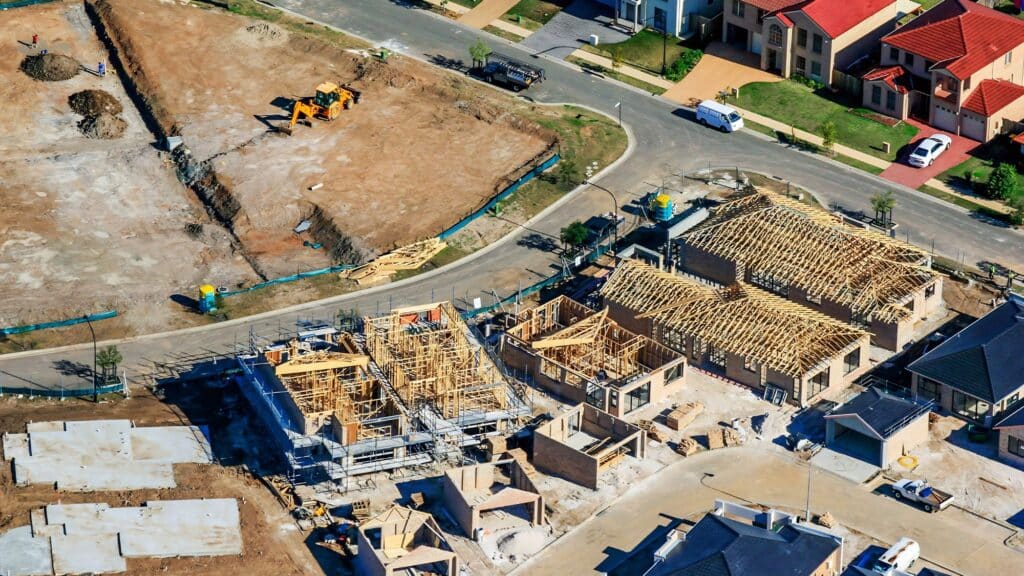
While property fundamentals remain relatively strong in many parts of Australia, risks still exist.
Economic uncertainty remains elevated, consumer confidence is mixed, and global instability continues influencing financial markets.
Latest ABS data shows Australia’s unemployment rate also recently increased from 4.3% to 4.5%, which may indicate broader economic slowing ahead. https://www.abs.gov.au/statistics/labour/employment-and-unemployment/labour-force-australia/latest-release
However, softer economic conditions may also reduce pressure on the Reserve Bank of Australia to continue raising interest rates in the short term. That could provide some support for borrowing capacity and buyer sentiment moving forward.
Final Thoughts
Australia’s housing market is evolving into a far more fragmented and opportunity-driven environment.
While some locations are slowing, others continue benefiting from affordability, migration and severe housing undersupply. Investors who understand these dynamics — and focus on data-driven decision-making rather than media noise — are likely to be best positioned over the coming years.
Owning quality property assets remains one of the most effective ways Australians can build long-term financial security, particularly in an environment where renting has become increasingly unstable and expensive.
If you want to better understand where the strongest opportunities may exist in the current market, iStrategic offers a Free 45-Minute Strategy Session to help investors build a smarter, evidence-based property plan tailored to their goals.
About the Author
Aiden Haworth is the Founder and Managing Director of iStrategic, a property investment firm helping Australians build high-performing residential portfolios. With over a decade of experience across property investment, development and capital raising, Aiden has led negotiations on developments valued at over $100 million and helped secure funding for sites generating more than $10 million in gross profit. Since 2020, iStrategic's client portfolios have averaged 11.64% annual capital growth and a 10.56% rental yield. Aiden is an active investor himself, applying the same principles to his own portfolio that he uses with clients. Learn more at Istrategic About Page
General Information Only
This article is general in nature and does not take into account your personal financial situation, objectives, or needs. It should not be relied upon as financial, investment, or legal advice. Property markets can be volatile, and past performance is not a reliable indicator of future results. Before making any investment decision, we recommend seeking advice from a licensed financial adviser.
FREQUENTLY ASKED QUESTIONS
1. Is the Australian property market going to crash in 2025?
Most indicators currently point toward market moderation rather than a widespread crash. While some cities are softening, strong housing undersupply and rental demand continue supporting property values nationally.
2. Which Australian property markets are performing best right now?
Many regional markets and smaller capital cities are outperforming larger metro markets due to affordability, population growth and limited housing supply.
3. Why are Sydney and Melbourne slowing down?
Higher property prices, borrowing constraints and affordability pressures are reducing buyer demand in these markets compared to more affordable regions.
4. How does housing supply affect property prices?
When housing supply remains low while demand continues growing, prices and rents are typically supported over the long term due to increased competition for available properties.
5. Is now a good time to invest in Australian property?
For strategic investors focused on strong fundamentals, tight supply and long-term growth drivers, current market conditions may still present quality investment opportunities.