
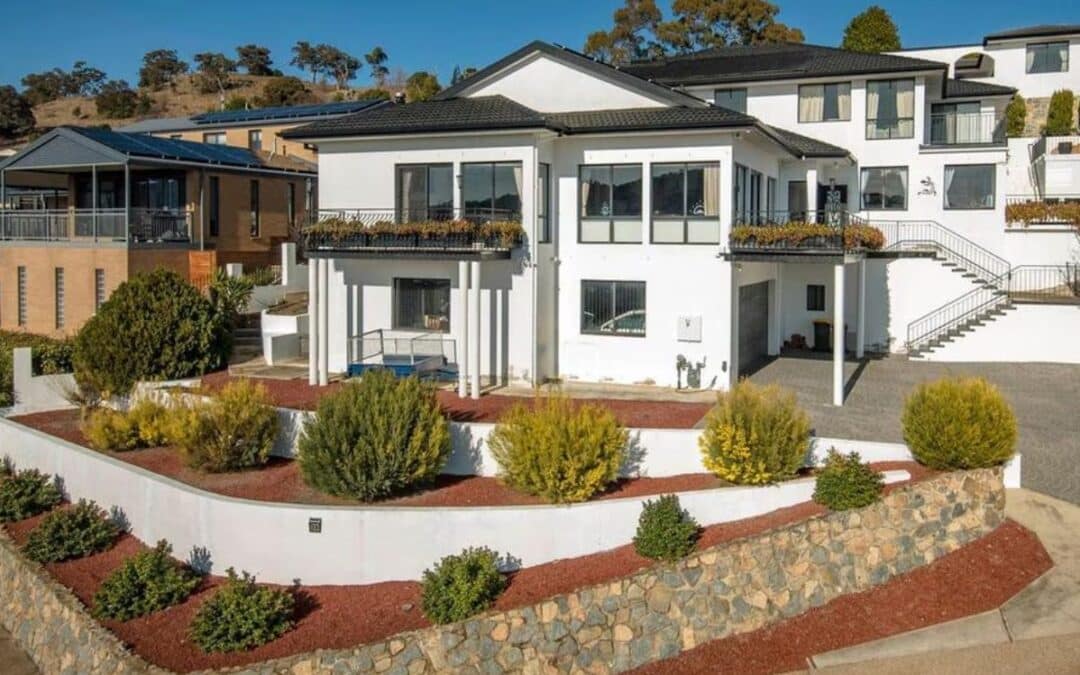
Australia's housing shortage presents an obvious problem for households, but for property investors it also raises a more useful question: are we simply building too few homes, or are we also building the wrong types of homes in the wrong places?
The evidence suggests it is both.
For investors looking at markets such as Canberra and the NSW South Coast, that creates an opportunity worth understanding. Duplexes, townhouses, granny flats, dual-key properties and other forms of smaller-scale development can add much-needed housing to established communities while potentially creating additional income and value for investors.
This approach is often described as bluefield development — and around 90% of projects undertaken by iStrategic clients fit within this broad category.
What Is Bluefield Development?
Property analyst Michael Matusik describes bluefield development as the incremental redevelopment of existing suburbs. Unlike greenfield estates on city fringes or major high-rise apartment projects, bluefield development works with land and infrastructure already within established communities.
That could mean:
- Turning one residential block into a duplex
- Developing several townhouses on a larger site
- Adding a granny flat or secondary dwelling to an existing property
- Creating a dual-key property
- Developing terraces or other small-scale housing
The concept is particularly relevant because Australia's housing stock remains heavily concentrated at two ends of the spectrum: detached houses and apartments.
According to the 2021 Census, around 70% of Australian households lived in separate houses, while approximately 13% lived in semi-detached homes, terraces and townhouses, and 16% lived in apartments.
That leaves a relatively small share for what is commonly called the "missing middle."
Why the Missing Middle Matters to Investors
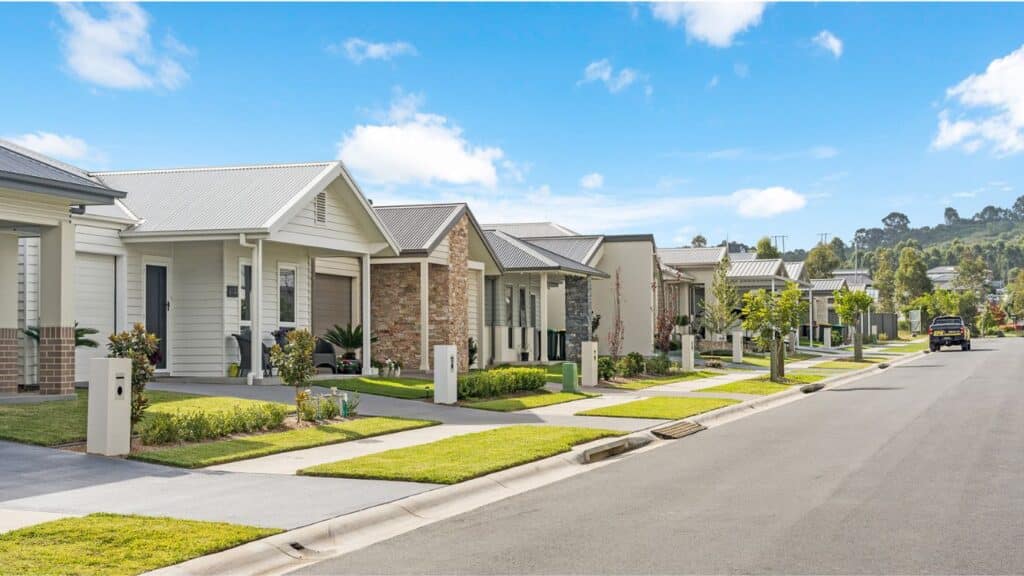
Australia's households are changing.
Downsizers may want a smaller property without leaving the suburb where they have spent decades. Single-person households and smaller families may not require a large detached house. First-home buyers and renters may want access to established areas but be unable to afford a traditional house.
Essential workers also need housing within practical travelling distance of their jobs.
That is where smaller-scale housing can become interesting from an investment perspective. The objective isn't simply to squeeze another dwelling onto a block. It is to identify locations where there is genuine demand for a particular type of property.
For investors considering Canberra and the NSW South Coast, that means assessing individual suburbs and sites rather than assuming every duplex, townhouse or granny-flat opportunity will work.
Population Growth Is Slowing — But Housing Demand Remains
Net overseas migration has fallen significantly from its post-COVID peak.
ABS data shows net overseas migration declined from 429,000 in 2023–24 to 306,000 in 2024–25. The Australian Government's Centre for Population forecasts continued moderation in net overseas migration over the year ahead, with further easing thereafter.
But slower growth is not the same as no growth.
The Centre for Population expects Australia's population to continue increasing, with capital cities generally growing faster overall than rest-of-state areas — consistent with the pattern of recent years, where capital city growth has significantly outpaced regional growth.
At the same time, the composition of renters is becoming more diverse, increasingly including families, professionals, separated households, essential workers and older Australians — groups with very different housing requirements.
That strengthens the case for greater housing choice rather than simply more of the same product.
Housing Approvals Are Rising, but Completions Are the Real Test
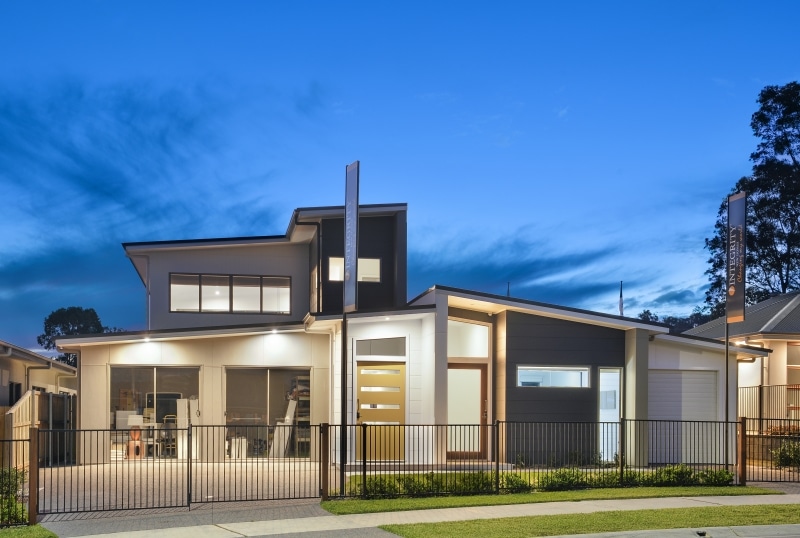
Australia approved 18,328 dwellings in June 2026, up 7.2% for the month and 8.9% from a year earlier, according to ABS Building Approvals data. Of these, 10,631 were private-sector houses and 7,138 were private dwellings excluding houses.
Those numbers sound encouraging. But an approval is not a completed home.
In the March 2026 quarter, total dwelling commencements fell 11.2% to 48,012, according to ABS Building Activity data. Private-sector "other residential" commencements fell 20.7% to 19,116.
Projects can stall between approval and completion because construction costs rise, finance becomes more expensive, presales fall short or the expected end value no longer justifies the development cost.
Large apartment projects can be particularly exposed because their feasibility depends on many moving parts.
Smaller bluefield developments do not eliminate those risks, but they offer a different way of adding housing: one duplex, several townhouses or a secondary dwelling at a time.
What Does This Mean in Canberra and the NSW South Coast?
For investors, the location-specific opportunity needs to be approached carefully.
In Canberra, the potential appeal of missing-middle housing is its ability to provide alternatives between detached homes and larger apartment developments. The latest ABS figures also illustrate why investors should not assume every market moves in the same direction: while national dwelling approvals rose in June 2026, ACT total dwelling approvals fell 3.6% in trend terms that month.
Across the NSW South Coast, the same investment principle applies but the market dynamics can be very different. Rather than treating "the South Coast" as one market, investors should examine the fundamentals of individual towns, suburbs and sites.
Suburb-level Canberra or South Coast data isn't covered in the sources above, so the case for a particular local investment should be established through further market and site-specific research rather than assumed from the national housing shortage.
The Development Idea Should Never Come First
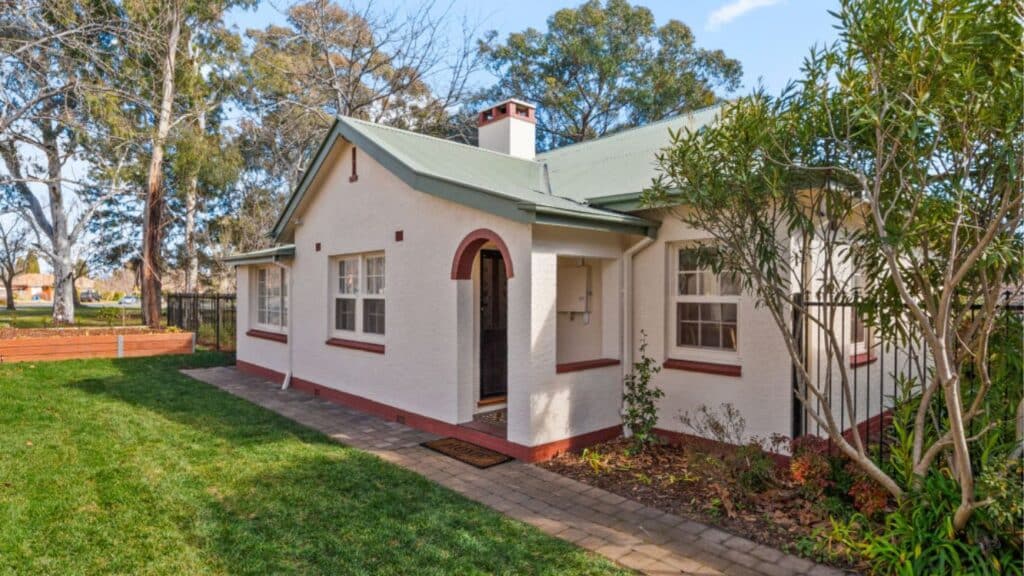
This is the most important point for investors.
A duplex, granny flat or townhouse project is not automatically a good investment simply because Australia needs more housing.
Before considering the development potential, investors still need to examine:
- Population and household growth
- Employment
- Household incomes and affordability
- Rental demand and vacancy rates
- Existing and future housing supply
- Land scarcity
- Infrastructure
- What tenants and future owner-occupiers actually want
Where those fundamentals align, a property with multiple potential uses can become particularly interesting.
A conventional investment property might provide the option to add a second dwelling later. A dual-key property could accommodate two rental households. A duplex site may create an opportunity to manufacture additional value, while a small townhouse project could offer a more affordable housing option in an established area.
But the market comes first. Development potential does not automatically equal development profit.
Could Bluefield Property Form Part of Your Investment Strategy?
Australia does not just need more dwellings. It needs a broader mix of housing in locations where people actually want and need to live.
For investors, bluefield and missing-middle housing can create opportunities to participate in that supply while potentially generating rental income, creating equity or building greater flexibility into a portfolio.
The opportunity, however, comes from finding the intersection between strong market fundamentals, suitable property, genuine housing demand and financially viable development potential.
If you are considering an investment in Canberra, the NSW South Coast or elsewhere in Australia, iStrategic can help assess the market, property and strategy before you commit.
Book a free, no-obligation consultation with iStrategic to discuss your property investment goals and the opportunities that may suit your circumstances.
About the Author
Aiden Haworth is the Founder and Managing Director of iStrategic, a property investment firm helping Australians build residential property portfolios. He has more than a decade of experience across property investment, development and capital raising and has led negotiations on developments valued at more than $100 million. Learn more about Aiden and iStrategic on the About Us page.
Disclaimer
This content is for informational purposes only and does not constitute financial, investment, tax or legal advice. Property investment involves risk, and investors should obtain advice appropriate to their individual circumstances before making investment decisions.
Frequently Asked Questions
1. What is bluefield development in property investment?
Bluefield development is the small-scale redevelopment of existing residential areas. Examples include duplexes, townhouses, granny flats, dual-key homes and secondary dwellings built within established suburbs.
2. Are duplexes a good property investment in Canberra?
They can be, but duplex potential alone does not make a property a good investment. Investors should first assess local rental demand, supply, land value, planning requirements, construction costs and the likely value of the completed properties.
3. What should investors look for on the NSW South Coast?
Investors should assess individual towns and suburbs rather than treating the NSW South Coast as one market. Employment, population trends, rental demand, vacancy rates, affordability, infrastructure and future housing supply all matter.
4. Can adding a granny flat increase an investment property's returns?
Potentially. A granny flat can create an additional rental income stream and make more productive use of an existing site. However, planning rules, construction costs, tenant demand and the project's overall financial feasibility need to be assessed first.
5. What is missing-middle housing?
Missing-middle housing describes dwelling types between detached houses and larger apartment buildings, including duplexes, terraces, townhouses, secondary dwellings and some low-rise apartments. It can increase housing choice and density within established communities.